01 / DETECT
Identify relevant objects
Detect multiple object classes across complex scenes, variable image quality and challenging operating conditions.
A modular AI computer vision layer for real-time object detection and tracking across UAV, EO/IR, ISR and operator-support systems. Adapted and evaluated on customer-provided video.
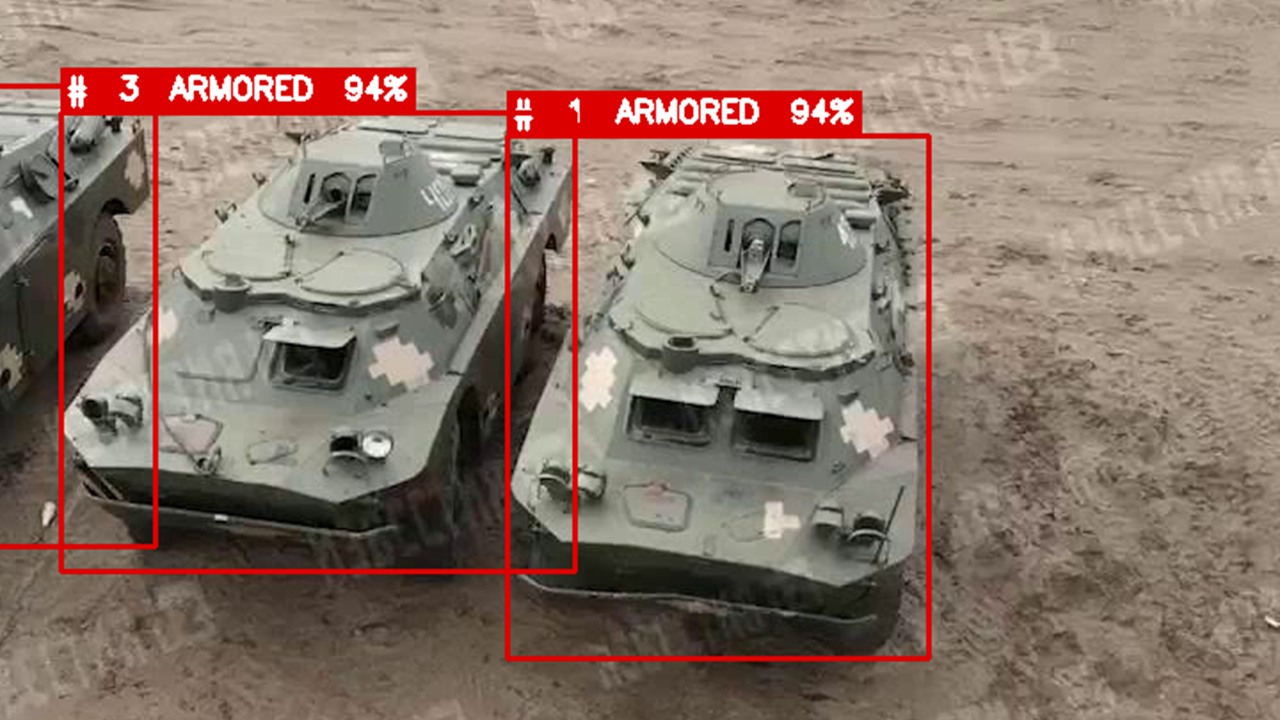
The technology supports operators and analysts by detecting, classifying and consistently tracking relevant objects without replacing the customer's existing workflow.
Detect multiple object classes across complex scenes, variable image quality and challenging operating conditions.
Associate detections across frames to provide more stable information and reduce short-lived, inconsistent indications.
Adapt models and validation criteria to specific sensors, object classes, environments and operational priorities.
The technology is sensor- and platform-oriented rather than limited to a single vehicle or mission profile.
Analysis of live or recorded airborne video streams.
Support across visible-light and thermal imagery.
Persistent monitoring and operator assistance.
Additional software capability within existing workflows.
Adaptation to customer-defined sensors, object classes, environments and operational requirements.

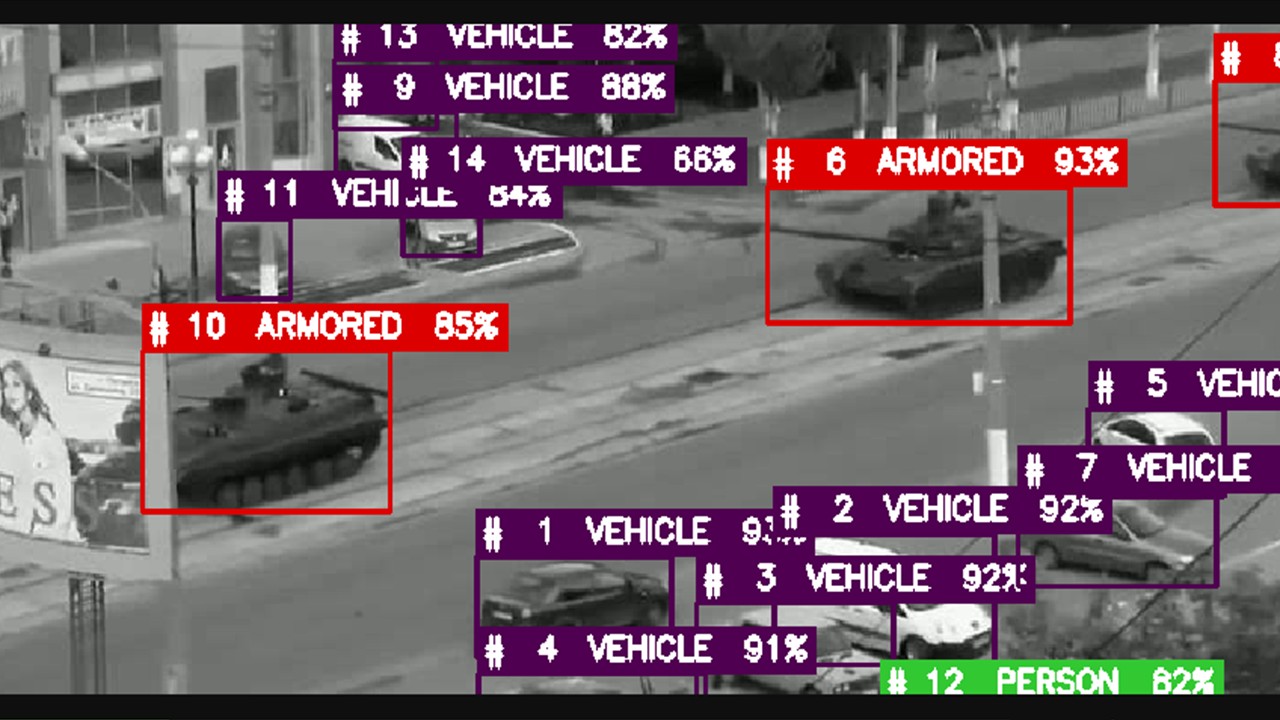
Small objects, motion, clutter, partial occlusion and inconsistent image quality require a complete data, model and validation workflow rather than a generic detector.
Development includes targets represented by only a limited number of pixels.
Models can be adapted to the customer's representative footage and environment.
Evaluation uses agreed criteria and a held-out acceptance set to separate adaptation from final validation.
A limited, paid evaluation answers the practical question: how does the capability perform on the customer's own material?
Define the use case, target classes, constraints and evaluation criteria.
Agree deliverables, responsibilities, schedule and commercial terms before work begins.
Receive representative customer video and establish a held-out acceptance subset.
Prepare data, fine-tune the model and measure performance against agreed criteria.
Present the report, demonstrate results and define a suitable deployment and licence model.
The technology is structured as a separately licensed software capability. Evaluation, deployment boundaries and integration interfaces are agreed without requiring access to the customer's source code.
The initial evaluation delivers measurable results and a technical report without transferring source code or unrestricted model weights.
Deployment can be structured around a documented runtime or API aligned with the customer's hardware and security requirements.
Licensing can be tailored to an agreed programme, platform, deployment scope or OEM relationship.
Start with a limited, paid customer-data evaluation using representative video from your target sensor and operating environment.